
Email today to buy or store your DASEIN System 6 can carton today.
[email protected]

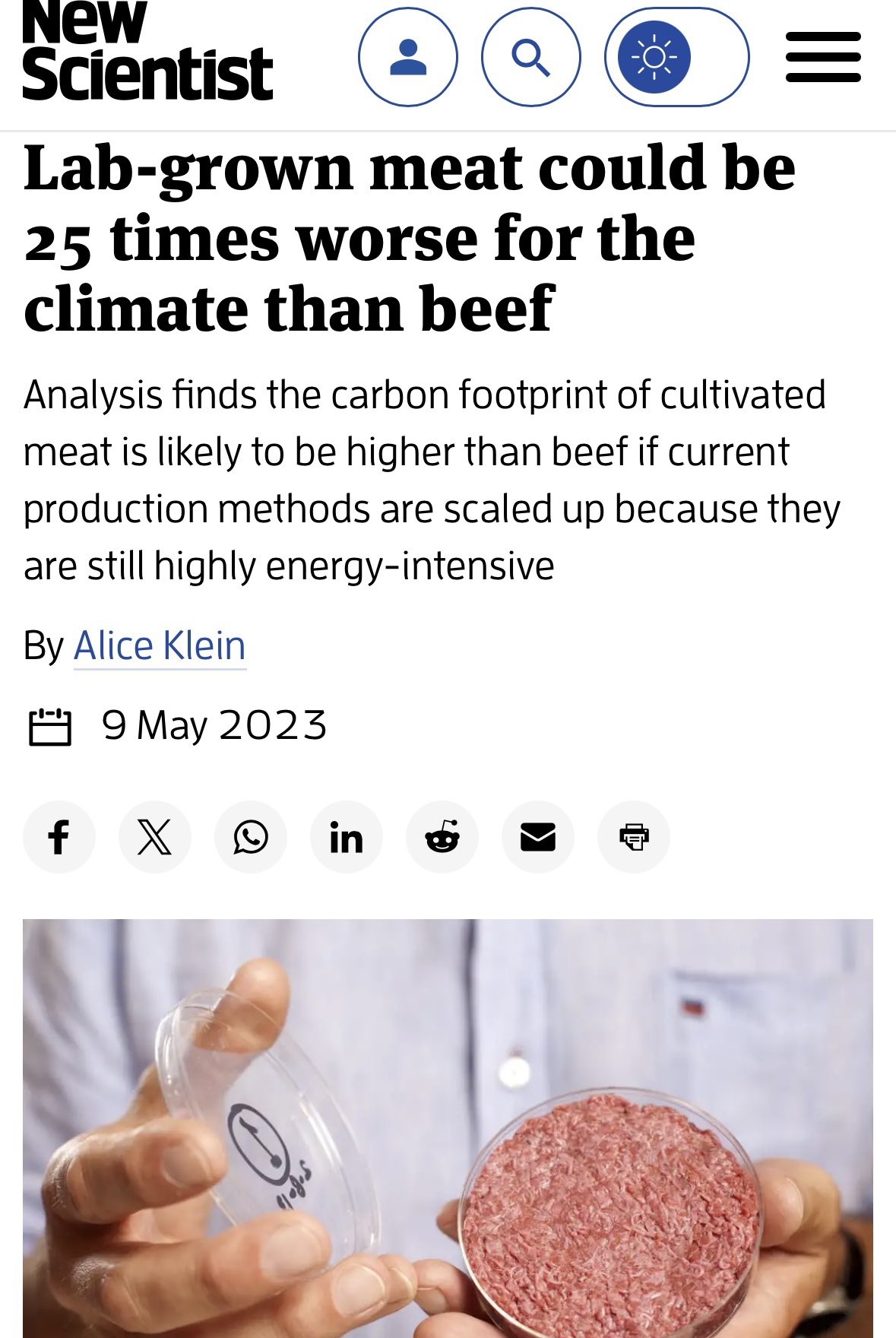
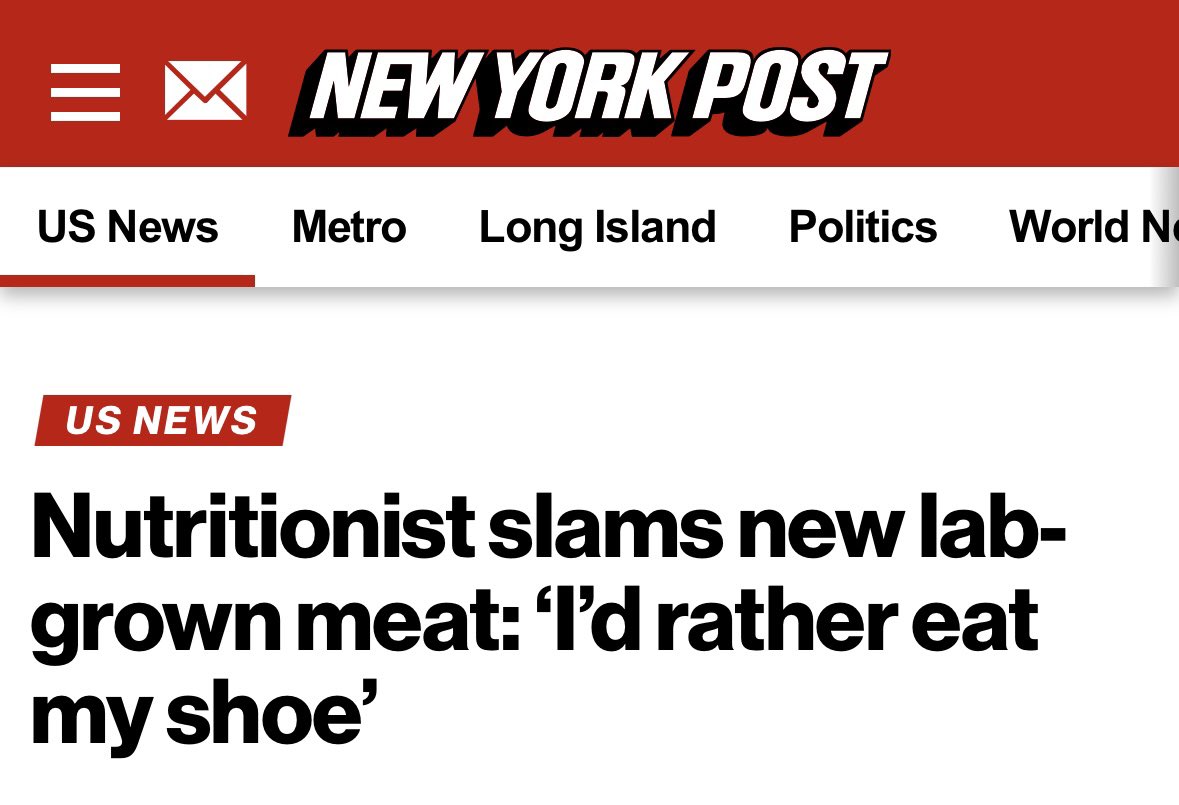
Note the 3rd photo of sold out grocery shelves during cyclone Alfred in QLD,Australia,while the vegan line remains unsold.

If you're worried about ticks, put up an owl box.
The animal driving most Lyme disease in the eastern US is the white-footed mouse. Ticks that feed on them are far more likely to come away infected than ticks that feed on other animals. The bigger the local mouse population, the worse the next year's tick year.
A single barred owl pair raising chicks can take hundreds of rodents in a breeding season. Owls also don't carry Lyme. The bacterium can't survive their digestive tract, so an owl that eats an infected mouse is a dead end for the disease.
Researchers at the Cary Institute, the leading lab on Lyme ecology, have been explicit about this: "Landscapes that support predators have reduced Lyme disease risk."
One owl box on its own isn't going to fix a tick year. But a yard with owls, foxes, bobcats, and weasels in it has fewer mice, and a yard with fewer mice has fewer infected ticks.
If you have woods or fields nearby, a properly sized barn owl or screech owl box (different species, different ...
Dario has written that we need to “pace the frontier,” and Sam has agreed. People may be surprised by my response: go ahead.
You guys are the frontier. By any reasonable metric — market share, revenue growth, model capability — the two of you have a duopoly on frontier intelligence. You’ve also claimed the lead is widening because of recursive self-improvement.
I don’t see what you see in the lab. If the unreleased models are scary enough that you think you should slow down, I support your decision to be responsible.
But stop pretending you need anyone else’s permission. Stop pretending antitrust law has to be suspended so you can form a cartel. Stop pretending you need a regulatory approval process that supersedes product liability. Stop pretending METR is independent when it is intertwined with Anthropic’s investors and staff. Stop pretending you need those same evaluators to police competitors who aren’t even at the frontier.
Most of all, stop pretending the motivation to ...
Tonight, while you're asleep, several hundred million birds will fly over the United States in the dark. Most of them will pass directly over your house, a few thousand feet up.
More than 80% of North America's migratory birds travel at night. Warblers, thrushes, orioles, tanagers, sparrows. Birds that weigh as much as a few coins, crossing a continent between sunset and sunrise, navigating by stars and by the earth's magnetic field.
Mid-September through early October is the peak. On the biggest night ever recorded, radar picked up 1.25 billion birds aloft over the US at once.
And there's one thing standing in their way that you personally control: your lights.
Artificial light pulls night-migrating birds off course from as far as three miles away. Once they're drawn in, they circle the lit area, over and over, burning fuel they can't spare, until they either drop from exhaustion or hit glass. It's worst on low, foggy nights, when birds fly closer to the ground and the light bounces off the cloud ...