
Email today to buy or store your DASEIN System 6 can carton today.
[email protected]

The Problem With Plastic Chemicals
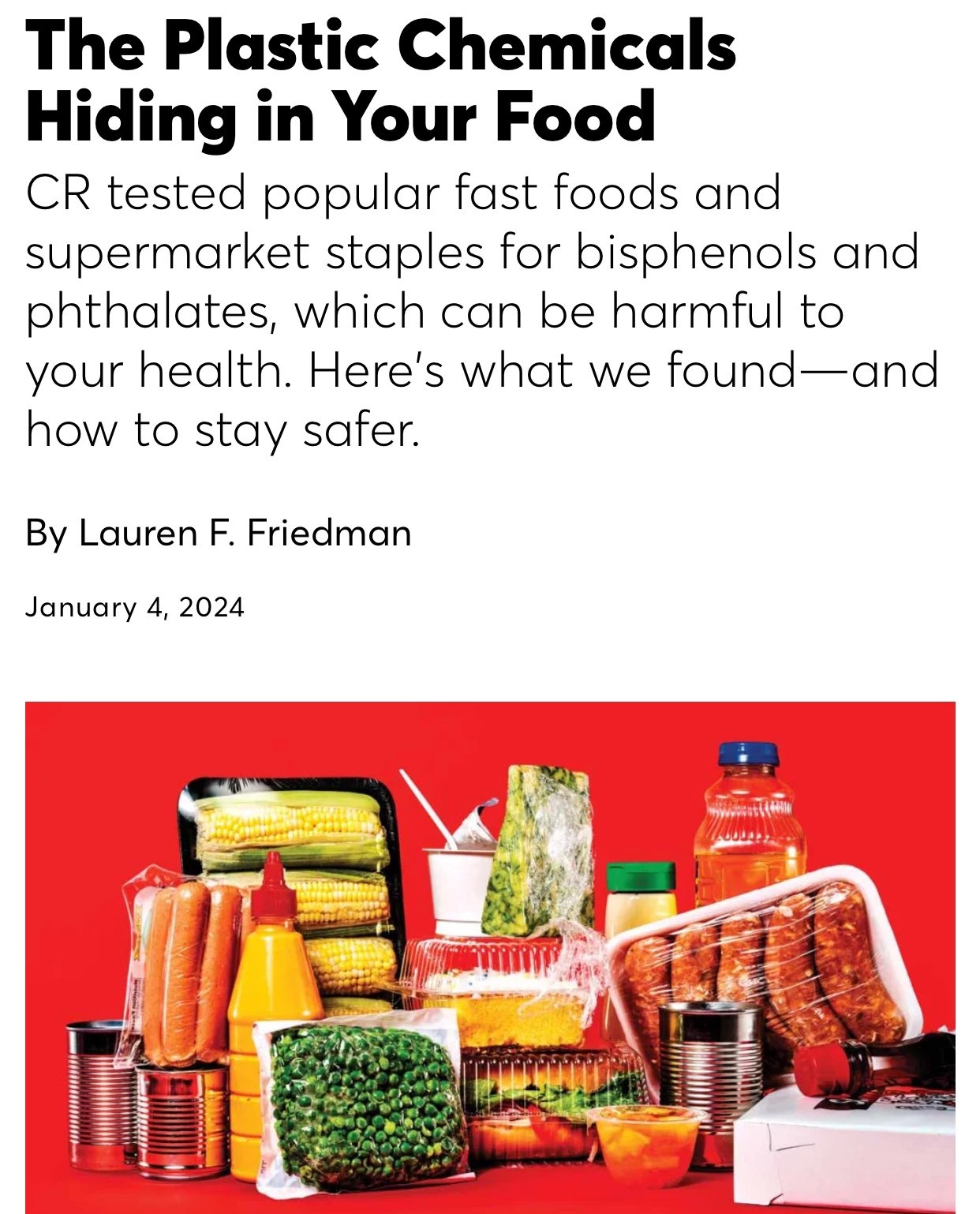
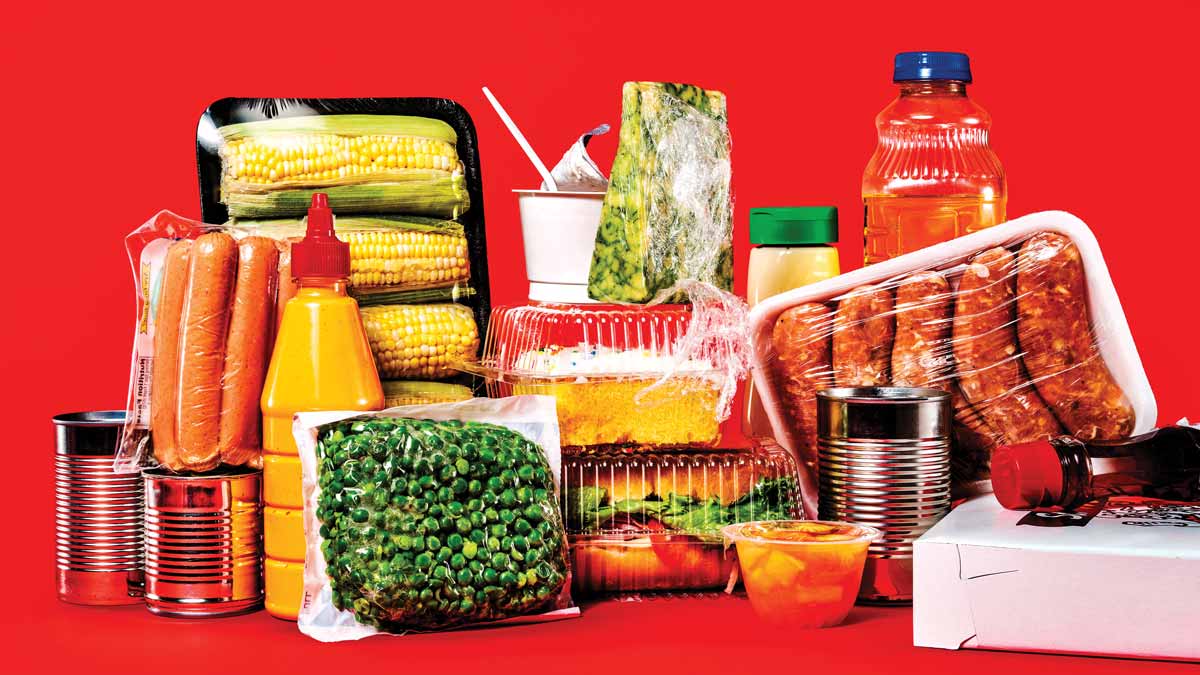
Bisphenols and phthalates in our food are concerning for several reasons.
To start, growing research shows that they are endocrine disruptors, which means that they can interfere with the production and regulation of estrogen and other hormones. Even minor disruptions in hormone levels can contribute to an increased risk of several health problems, including diabetes, obesity, cardiovascular disease, certain cancers, birth defects, premature birth, neurodevelopmental disorders, and infertility.
https://www.consumerreports.org/health/food-contaminants/the-plastic-chemicals-hiding-in-your-food-a7358224781/
If you're worried about ticks, put up an owl box.
The animal driving most Lyme disease in the eastern US is the white-footed mouse. Ticks that feed on them are far more likely to come away infected than ticks that feed on other animals. The bigger the local mouse population, the worse the next year's tick year.
A single barred owl pair raising chicks can take hundreds of rodents in a breeding season. Owls also don't carry Lyme. The bacterium can't survive their digestive tract, so an owl that eats an infected mouse is a dead end for the disease.
Researchers at the Cary Institute, the leading lab on Lyme ecology, have been explicit about this: "Landscapes that support predators have reduced Lyme disease risk."
One owl box on its own isn't going to fix a tick year. But a yard with owls, foxes, bobcats, and weasels in it has fewer mice, and a yard with fewer mice has fewer infected ticks.
If you have woods or fields nearby, a properly sized barn owl or screech owl box (different species, different ...
This paper answers why confident idiots run the world.
Cornell University published a psychological paper that explains every terrible boss, every loud influencer, and every broken corporate hierarchy.
It’s called “Unskilled and Unaware of It.”
they tested participants across logic, grammar, and humor to measure the gap between actual performance and self-perception.
And the results are wild.
participants scoring in the bottom 12th percentile consistently believed they were operating in the 62nd percentile.
they were not lying. they were literally incapable of recognizing their own incompetence.
the paper revealed a brutal paradox:
the exact skills required to master a domain are the exact same skills required to accurately evaluate your own competence in that domain.
if you lack the skill, you inherently lack the cognitive capacity to realize you are failing.
this creates a dangerous systemic loop.
the incompetent are blessed with absolute, blinding certainty. their brain protects them from their own ...
IVERMECTIN BENEFITS:
1. Ivermectin has won the Nobel prize for medicine and has an extremely good safety profile Ivermectin prevents the damage caused by RNA Vaccines.
2. Ivermectin blocks the entry of Spike Protein into cells. So, if the person was vaccinated with COVID, they have hope, they have a way to treat themselves through Ivermectin.
3. Ivermectin is a treatment after Covid and after vaccination, it is an effective medicine in all phases of Covid 19, even before entering the cell, Ivermectin already destroys the virus in the blood. It only has beneficial effects and no harmful effects in the treatment of the coronavirus.
4. Ivermectin has a very powerful anti-inflammatory action against Coronavirus.
It is Antibacteria such as tuberculosis and Buruli ulcer
6. Ivermectin has a powerful action for traumatic and orthopedic injuries, it strengthens muscles and has no side effects like corticosteroids.
7. Ivermectin treats autoimmune ailments such as: rheumatoid arthritis, ankylosing spondylitis, fibromyalgia, psoriasis, Crohn's ...